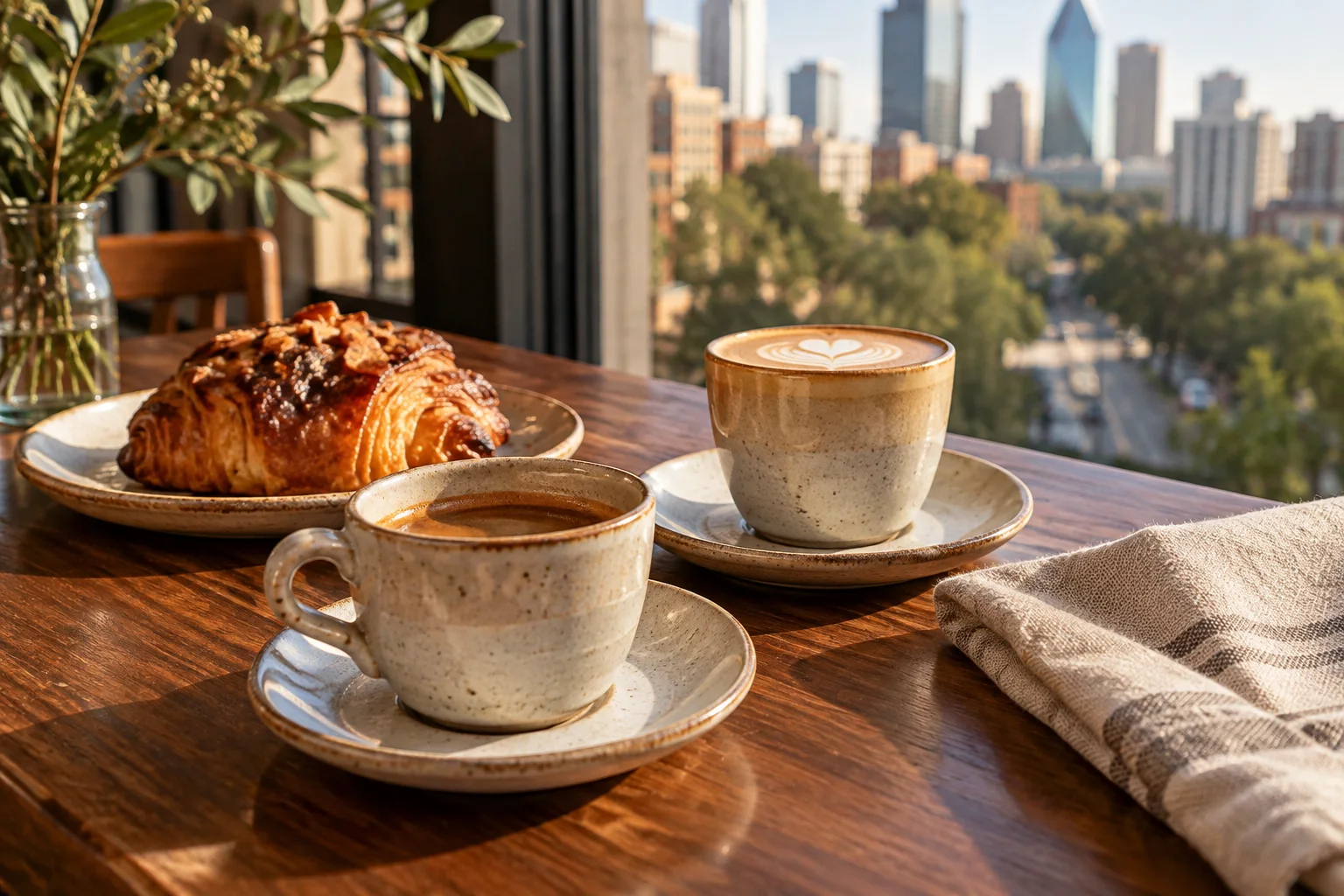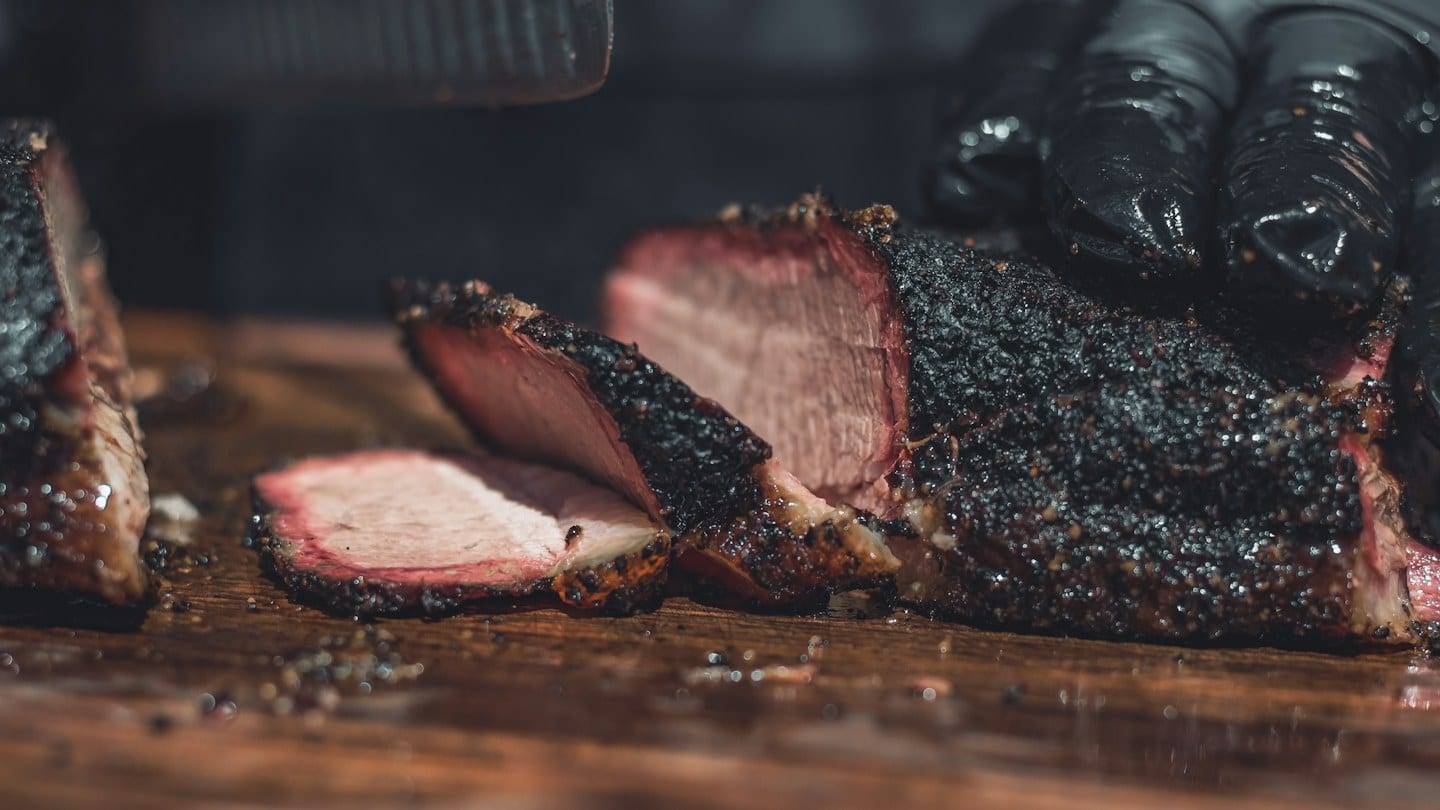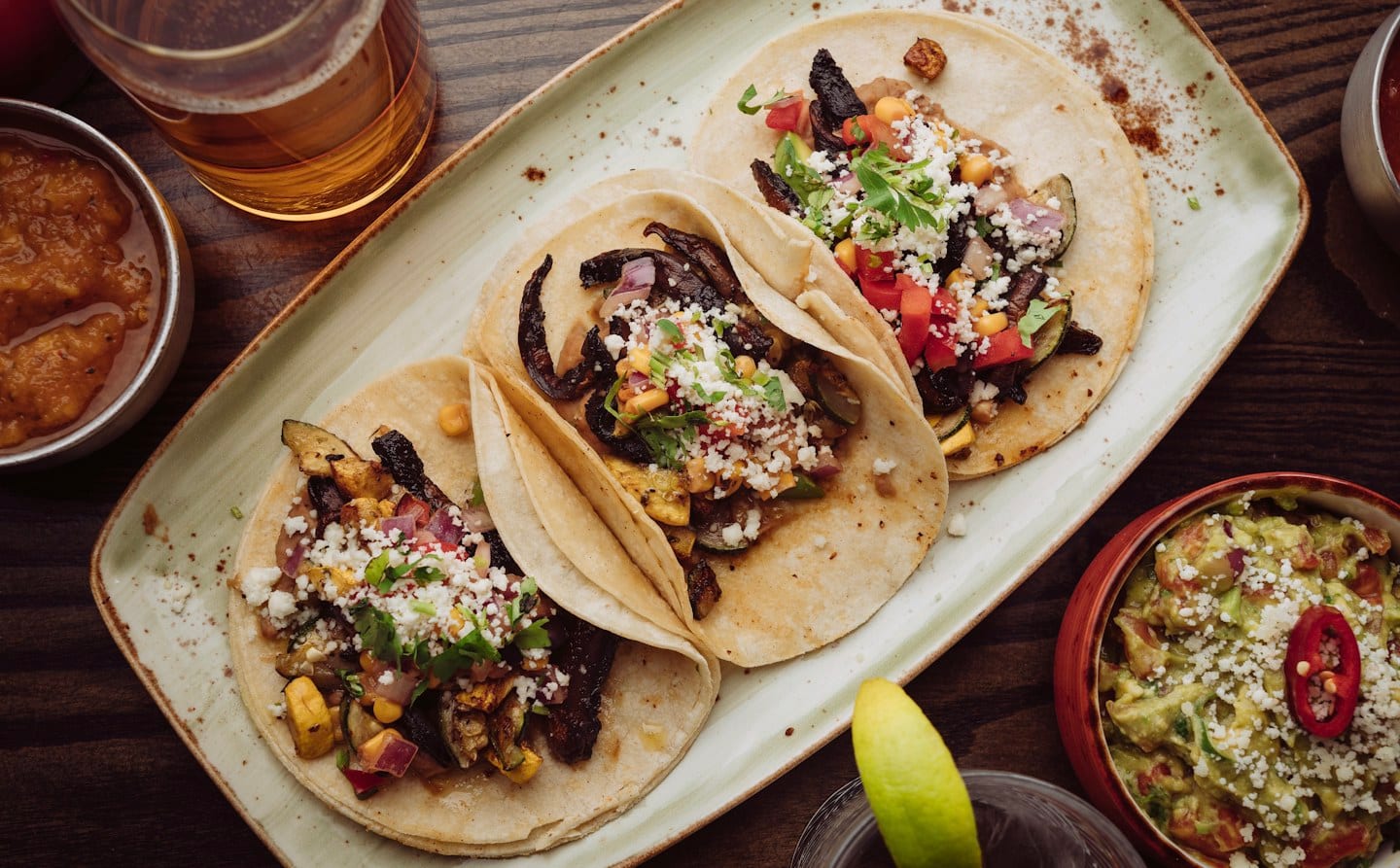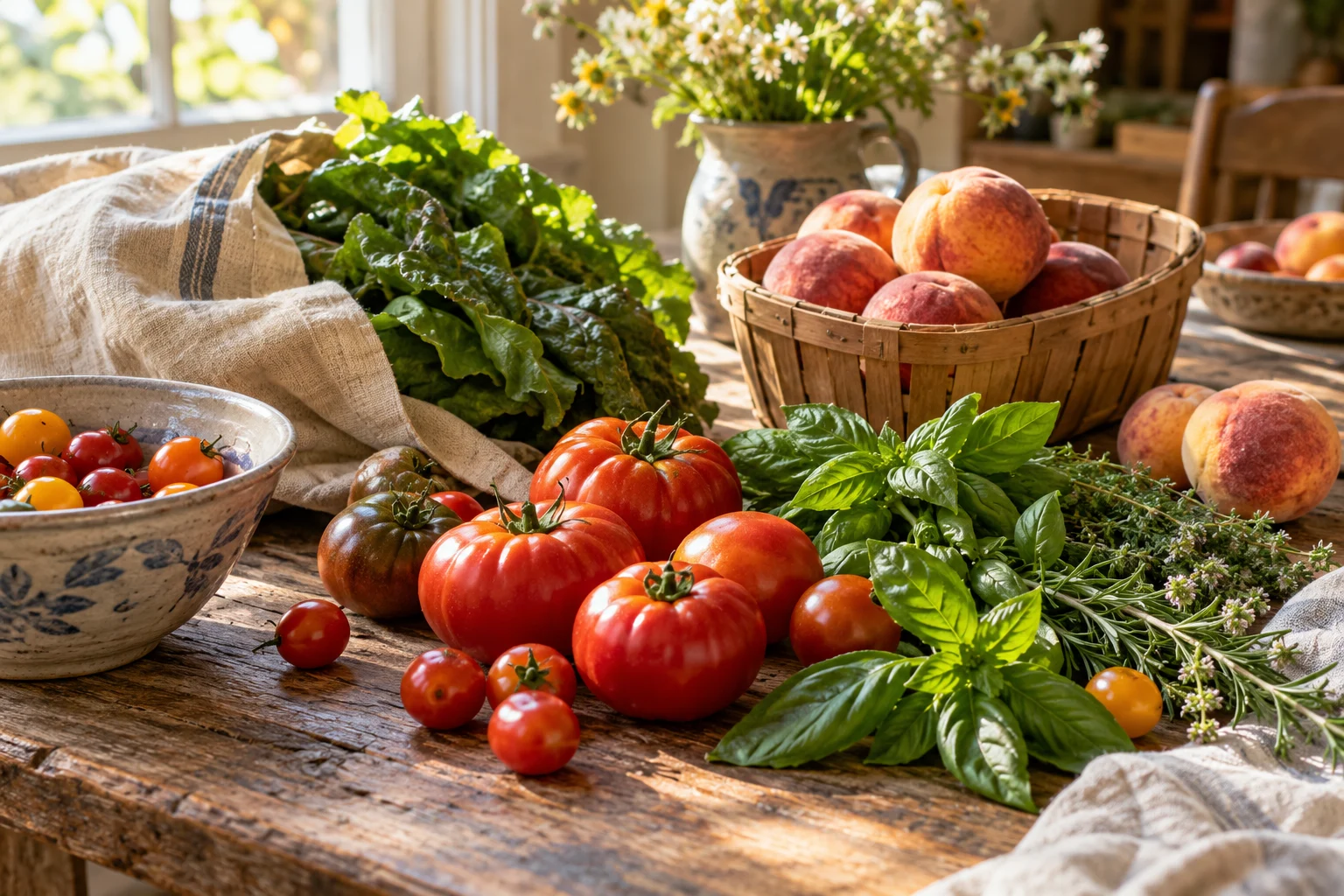
A small plate of something unexpected sits in the center of the table, and the conversation immediately turns toward a score. Someone declares a dish a ten out of ten; another person insists it barely clears a five. What began as a relaxed evening of shared flavors has shifted into a competitive tallying of preferences, where the goal is no longer to enjoy the food, but to win the argument.
Focus on the selection
The most successful tasting evenings avoid the chaos of a massive spread. Instead, choose a small, intentional set of items that allow for nuance. If you are sampling different varieties of a single ingredient—perhaps a selection of local honey, several types of artisanal bread, or a handful of seasonal fruits—the differences become easier to observe. A narrow selection prevents sensory fatigue and keeps the focus on the subtle shifts in profile rather than the sheer volume of food on the table.
Record for reflection
For some, the social energy of a group discussion can feel overwhelming, especially if the conversation feels unanchored. For the person who prefers a written recap to another loud meeting, providing a way to document the experience can be a helpful tool. Rather than relying on verbal shouting matches, suggest that everyone keeps a small notebook or a digital note handy.
For example, if a group is tasting various dark chocolates, instead of debating which is 'the best,' each person might jot down specific observations like 'notes of sea salt' or 'a lingering bitterness.' This allows the individual to process their own experience privately and provides a tangible record of the evening that can be reviewed later in quiet. It turns a fleeting social event into a meaningful personal archive.
Tradeoffs of the tasting method
There is a distinct tradeoff between a structured tasting and a traditional dinner party. A structured event requires more preparation and a certain level of discipline from the guests to avoid rushing through the items. You sacrifice the ease of a standard meal for the depth of a focused sensory experience. However, this structure can actually lower the social pressure, as the 'topic' of the evening is clearly defined by the items being sampled.
Shift the conversation
The most important shift is moving away from rankings. When a group focuses on whether something is 'good' or 'bad,' the conversation becomes a series of binary judgments. To keep the evening pleasant, steer the dialogue toward descriptions. Ask your companions what specific textures or aromas they notice. By replacing the question "Did you like this?" with "How would you describe this flavor?", you invite observation rather than competition. This approach ensures that even when tastes diverge, the conversation remains an exploration rather than a contest.