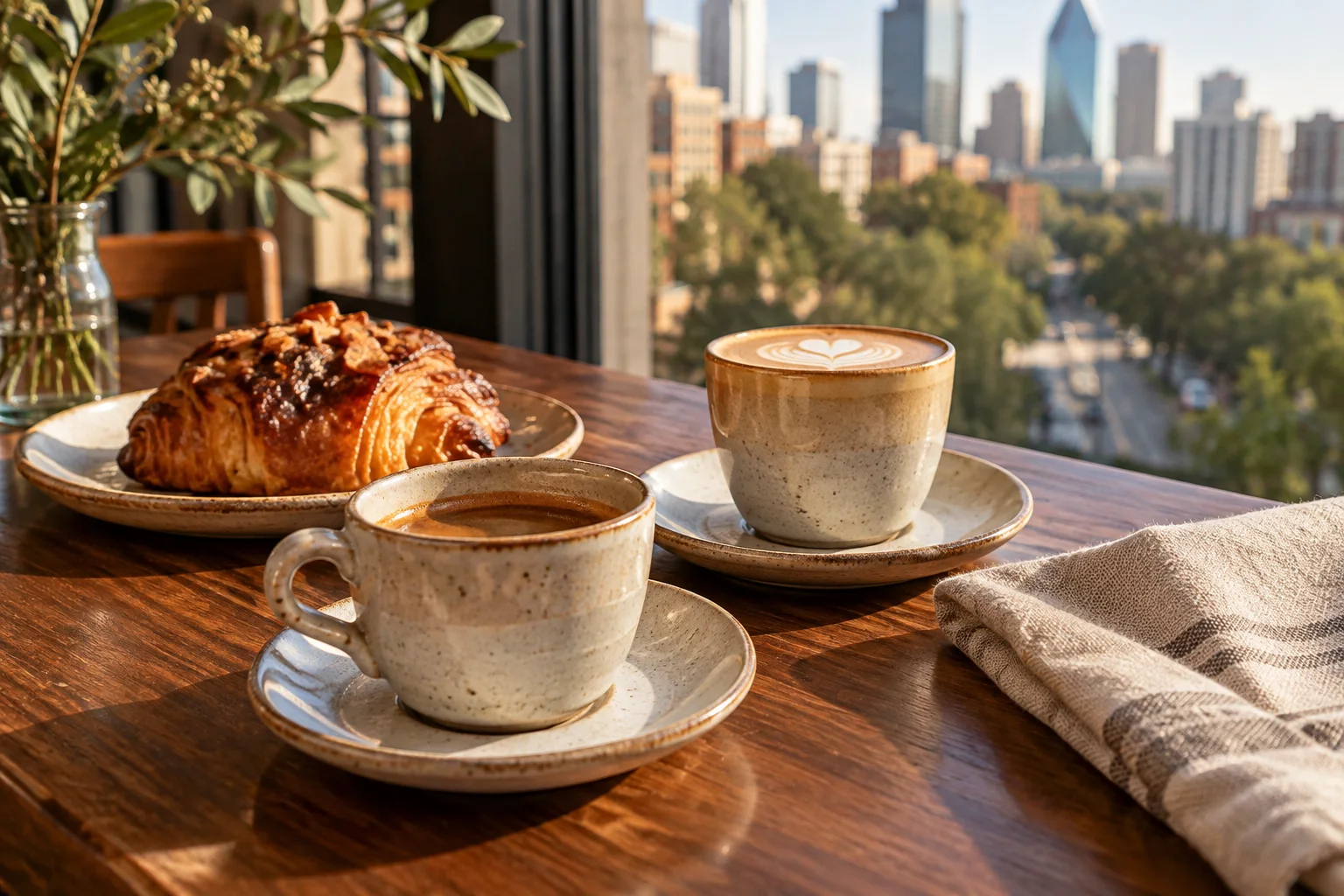
A new bag of beans sits on the counter, promising a transformative morning. Yet, the leap from a casual curiosity to a recurring kitchen staple is a significant one. For many in Dallas, the morning ritual is a fixed point in a shifting schedule, making the choice of what goes into the mug a decision worth refining through observation rather than guesswork.
The Method of Small Batches
To understand what you truly enjoy, consistency is more important than complexity. Instead of experimenting with different equipment or varying temperatures, keep your preparation methods identical. The goal is to isolate the flavor of the beans themselves. If you use a specific amount of water and a specific method every time, any change in the result can be attributed directly to the source material.
When testing different varieties, use a labeling system. Even if you are only testing two or three options, the nuances can blur together after a few sips. Use small, identical cups and mark them clearly. This prevents the mental fog of trying to remember which bean produced which specific note of brightness or heaviness.
The Tradeoff of Convenience and Cost
There is a constant tension between the ease of a quick grocery store purchase and the potential depth of a specialty selection. A mass-produced option offers predictability and a low entry price, but it may lack the distinct characteristics that make a morning ritual feel special. Conversely, a highly specific, small-batch selection offers a unique experience but requires a higher upfront investment for a product you might not even like.
For example, if you are considering switching from a standard supermarket brand to a local roaster, do not buy a full pound immediately. Instead, seek out the smallest available sample size. This allows you to weigh the cost of the experiment against the likelihood of finding a flavor profile that justifies the higher price point.
Refining Your Palate
Describe what you taste using your own language. You might find you prefer a cup that feels heavy on the tongue, or perhaps you gravitate toward something that leaves a crisp, clean sensation. Avoid trying to match the descriptions on a bag; instead, focus on how the liquid interacts with your specific preferences. Do you find certain profiles too intense for a Tuesday morning, or do they provide the exact lift you need?
If you find yourself frequently dissatisfied with home preparations, you might ask a local barista how different roast profiles typically interact with the specific equipment you own. They can help you understand if your preferences are being met by the beans themselves or if your current setup is influencing the outcome.
By treating your next coffee purchase as a series of small, controlled observations, you move away from the frustration of wasted bags. Label your samples, keep your preparation steady, and let your own sensory feedback dictate whether a new brand earns a permanent place in your pantry.