This is a paid partner contribution. Commercial relationships are disclosed so readers can distinguish sponsored content from editorial guides.
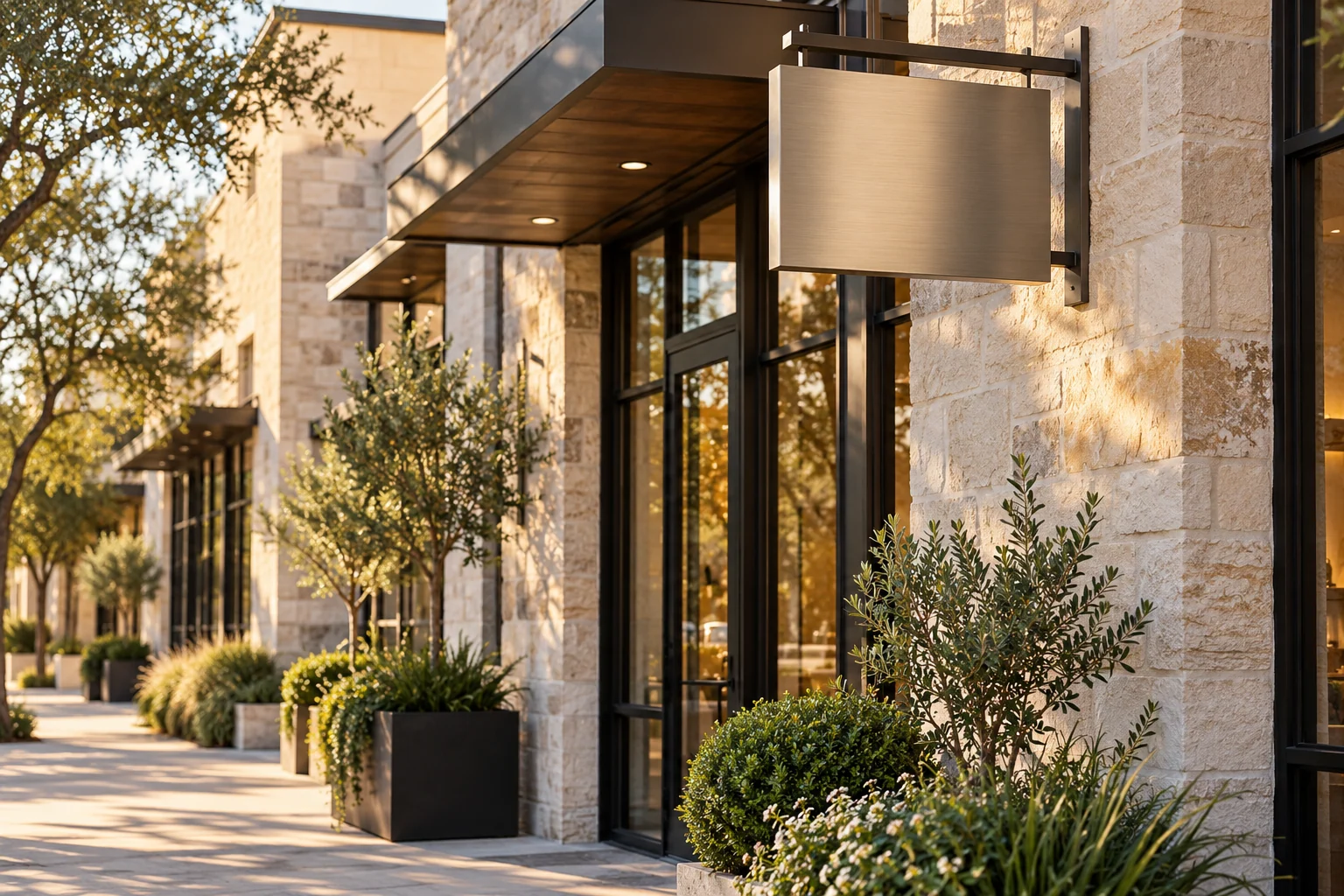
A storefront window or an office lobby serves as a silent introduction to anyone walking through the door. These visual markers often represent the first impression a customer receives. However, the signs and graphics that once felt current may eventually reflect a version of your business that no longer exists. When a company shifts its focus, changes its branding, or expands its service offerings, the physical environment often requires a closer look to ensure it remains aligned with those new directions.
Observing the visual shift
The decision to refresh a space often begins with a walk-through. Look at the surfaces that catch the eye of a visitor. Are the colors still consistent with your current brand identity? Do the messages on your displays still reflect what you offer today? Sometimes, a change is as simple as updating a list of services, while other times, it involves a complete overhaul of how information is shared within a building.
Consider the difference between static and moving elements. For example, if you have relied on printed posters for years, you might wonder how moving toward digital signage content would alter the way people interact with your space. This choice involves a tradeoff between the permanence of printed materials and the flexibility of electronic displays. One provides a constant, unchanging presence, while the other allows for rapid updates as your messaging changes.
Evaluating surface and scale
Beyond individual signs, the larger surfaces of your building offer opportunities for transformation. Large, blank walls or expansive glass fronts can act as canvases. You might weigh the impact of small, targeted signs against the presence of wall murals and window graphics for Dallas businesses. While smaller signs provide specific directions or information, larger graphics can change the entire atmosphere of a room or a street corner. When deciding between these options, consider how much of the space you want to occupy and how much of the original architecture you wish to keep visible.
Preparing for a consultation
Before meeting with a specialist to discuss updates, gather the details of your current environment. Having a clear understanding of your space helps in narrowing down the possibilities. Note the dimensions of the areas you wish to change and the types of surfaces involved, such as glass, drywall, or metal. If you are looking to update your messaging, have a list of your current priorities ready.
When you speak with a professional, ask questions that help you understand the implementation process. You might ask how a specific material will hold up in your particular environment or what the installation process looks like for a large-scale project. Ask how the proposed changes will accommodate the specific dimensions and lighting conditions of your location. By preparing these details and questions in advance, you can better determine which visual updates align with your current business circumstances.


