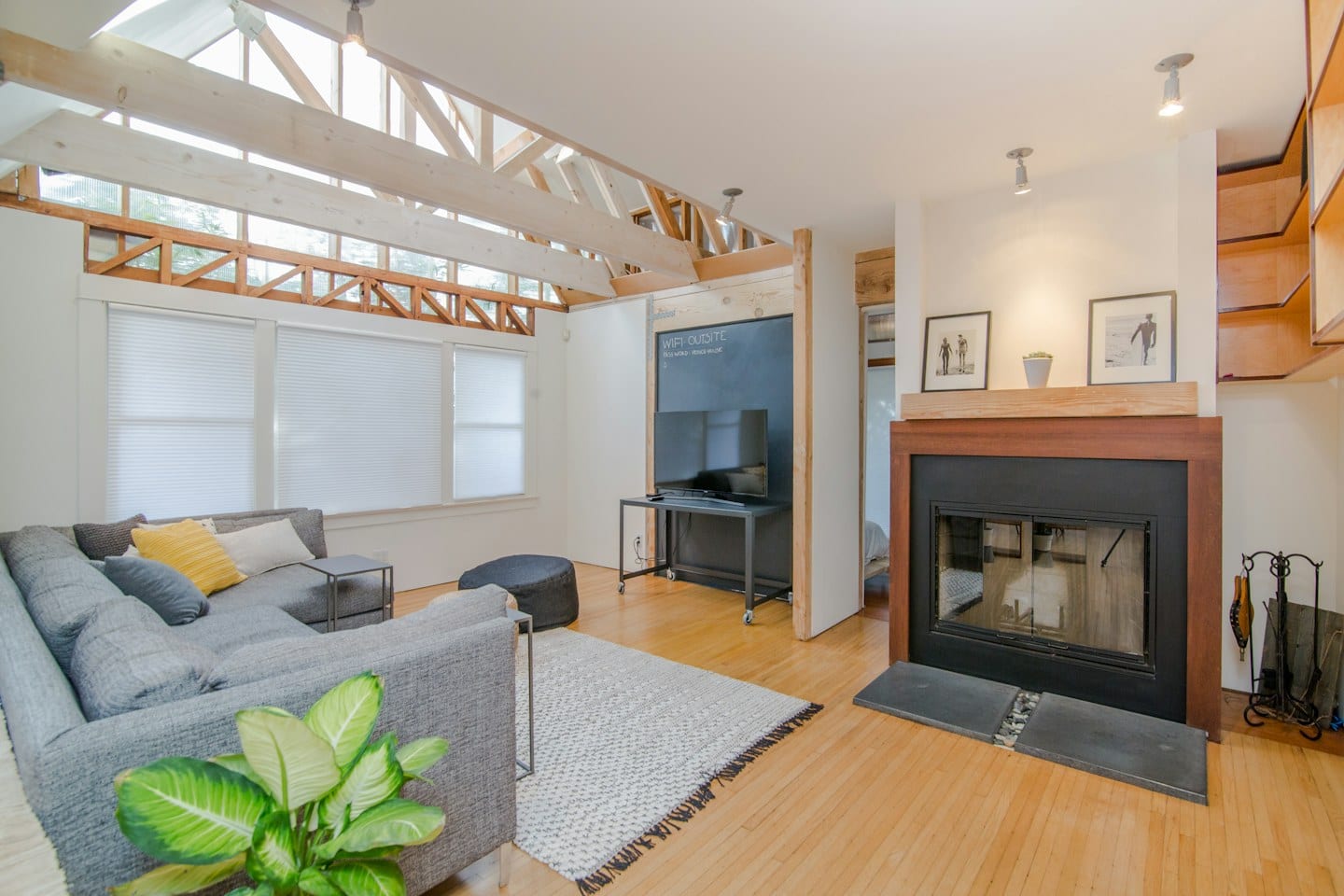
When Maya and Carlos moved into a downtown Dallas loft, the biggest disagreement wasn’t about rent; it was about the couch. Maya favors sleek, low‑profile modern lines, while Carlos leans toward a plush, over‑stuffed classic. Both want a piece that will survive movie nights, work‑from‑home days, and the occasional impromptu dance‑off. Rather than compromise on a style neither loves, they decided to treat the purchase like a trial run.
Clarify What You Both Need
Start by writing down the concrete ways the furniture will be used. Ask each person to list the three most frequent activities—streaming, video calls, hosting friends—and any special requirements such as pet‑friendliness or easy cleaning. Next, note the space constraints: measure the length of the wall, the distance to the coffee table, and any traffic pathways. By turning vague preferences into observable facts, you create a shared brief that both can reference.
Test the Waters with a Sample Piece
Instead of ordering a full‑size sofa right away, look for a modest option that mimics the key characteristics of each preferred style. Many retailers offer a single armchair or a loveseat that reflects the upholstery, cushion firmness, or silhouette you’re considering. Bring the sample home, place it where the larger piece will eventually sit, and live with it for a week. While it’s in place, ask yourself: Does the seat feel comfortable for long work sessions? Does the back support my posture during evening movies? Does the fabric hide the inevitable crumbs from snack breaks? Document these observations in a simple notebook or a shared phone note.
Line Up the Options and Their Trade‑offs
After the trial period, compare the two or three candidates that best match the brief. For each option, list the pros and cons that matter to you both—comfort, durability, aesthetic fit, price, and delivery logistics. Here are the kinds of questions you should ask the retailer or a qualified interior consultant:
- What warranty covers the frame and upholstery, and does it differ for a sample piece versus the full model?
- Can the fabric be swapped later if taste changes, and what is the cost?
- Is there a delivery window that aligns with your move‑in schedule, and who handles placement inside the room?
- Do you offer a return or exchange policy that would let you replace the couch after a short trial?
- How does the suggested configuration affect traffic flow in a typical Dallas loft layout?
These questions keep the conversation focused on actual use rather than abstract style jargon.
Draft the Decision Process
With the data in hand, agree on a simple decision rule. For example, you might decide that the piece must pass a comfort test (no more than two minutes of adjusting to feel settled) and a durability test (no visible wear after a week of normal use). If both criteria are met, you move forward; if not, you revisit the shortlist. Write the rule down and share it, so neither party feels the outcome is arbitrary.
Finally, schedule a brief meeting with the retailer or an interior professional to confirm the chosen option meets the brief. Bring your observation notes, the trade‑off list, and the decision rule. Ask the expert to walk through how the final piece fits the room’s dimensions, how the upholstery will hold up to Dallas weather changes, and what after‑sale support looks like.
By turning conflicting tastes into a concrete, test‑first plan, Maya and Carlos found a sofa that satisfies both style and function, without the risk of a costly mis‑step. The same approach works for any shared living situation: observe, trial, compare, and set clear criteria before the big purchase. In the end, the furniture becomes a backdrop for the life you’re building together, not a source of ongoing debate.