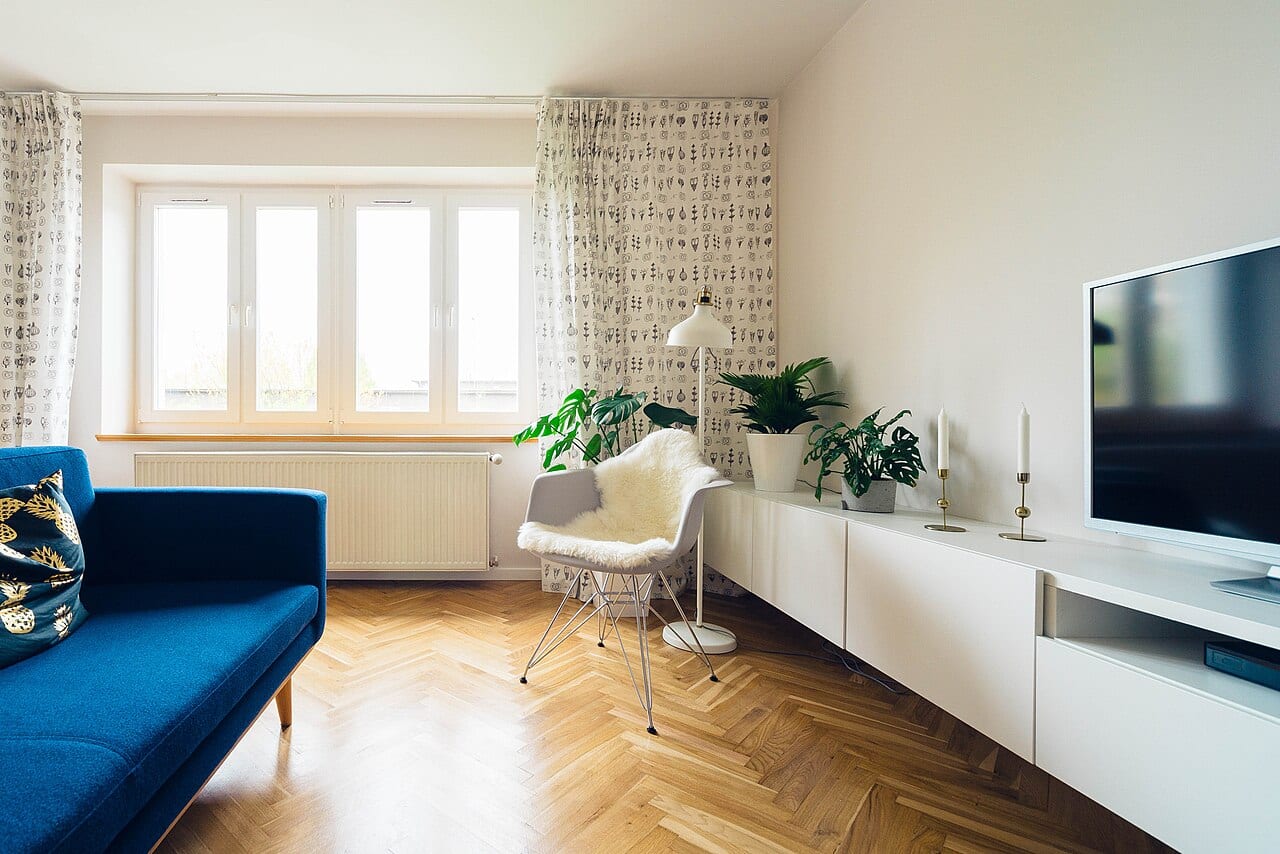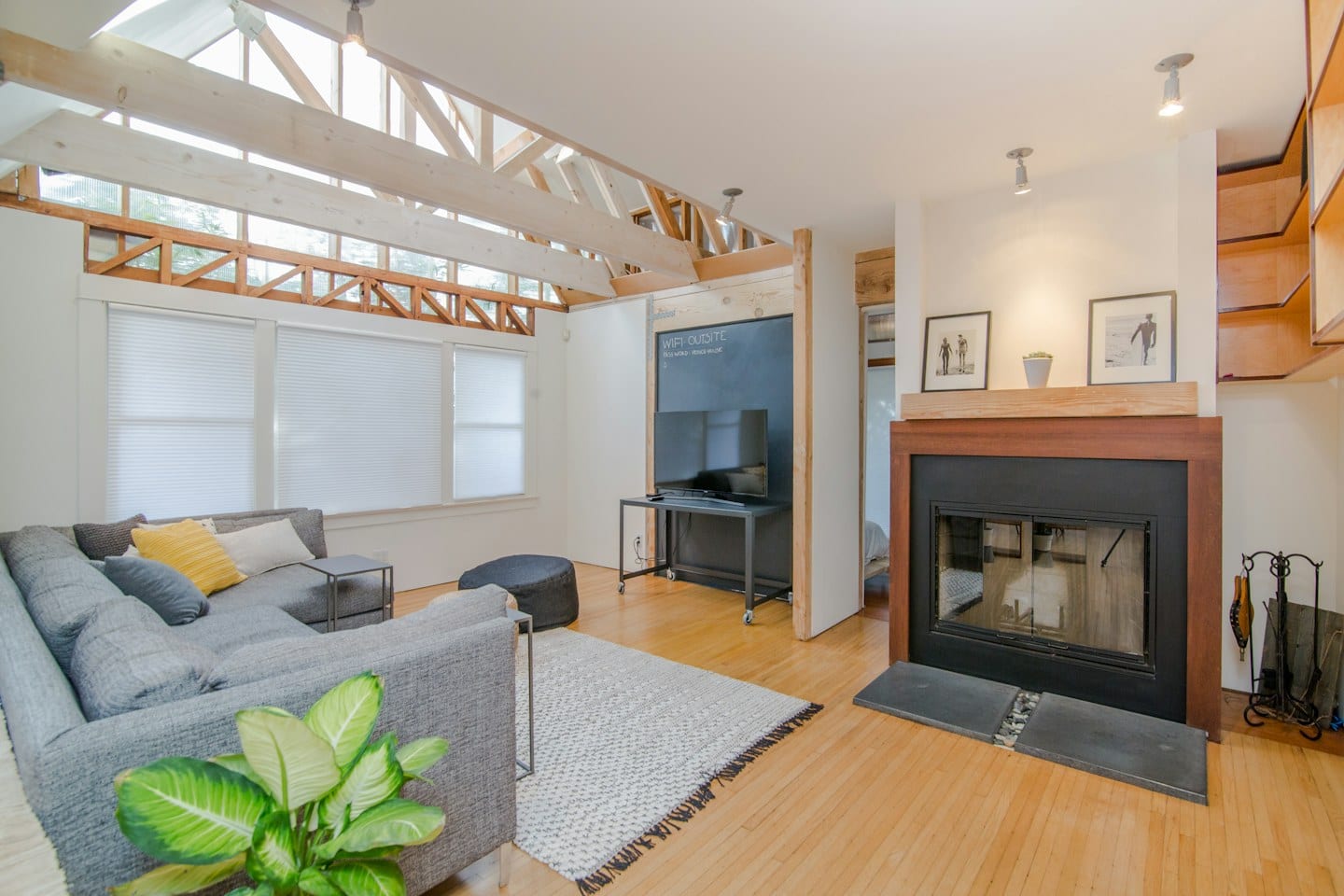
Selecting new window treatments often feels like a permanent decision made in a moment of fleeting inspiration. You might find a fabric that looks stunning in a showroom, only to realize once it is installed that it makes your morning coffee spot feel too dark or leaves your living room exposed to the street. Rather than committing to a full-scale installation immediately, you can treat the process as a small experiment to ensure the final result aligns with your daily routines.
Observing Your Light and Privacy
Before looking at catalogs, spend time in the rooms you intend to change. Note how the light moves through the space at different hours. In a living area, observe the view from your primary seating position during the morning sun and again in the evening when interior lamps are lit. Pay attention to the level of privacy you require; for example, if you are sitting on the sofa, can someone on the sidewalk see your television screen?
In a bedroom, consider whether the current light levels feel harsh or if they disrupt your sleep. Taking photos of the window frame, the wall color, and the surrounding trim provides a helpful visual reference. This allows you to see how a new texture or color might interact with the existing elements of the room when you are away from the space.
The Value of a Trial Piece
Instead of ordering a custom solution for every window at once, consider requesting a sample panel or a smaller, ready-made shade to cover just a portion of the glass. This approach allows you to feel the weight of the material and see how the color reacts to your specific wall paint without a significant upfront cost. For example, if you are undecided between a sheer fabric and a heavier weave, testing a single small panel can reveal if the light diffusion is too dim or if the texture feels right in the room.
Ask your supplier if they provide swatches that can be hung with temporary hardware, or if they offer small panels designed to fit standard widths. This allows you to swap the piece in and out easily to compare it against your current window coverings.
Refining the Details with a Supplier
When you have identified a material you like, use the trial period to gather specific information. Ask the supplier how the material might respond to local conditions, such as heat or humidity, and whether they offer different opacity levels for the same fabric. You may also want to ask the following:
- Can the trial piece be installed using my existing hardware, or do you provide a temporary mounting solution?
- What is the process for scaling up from a sample to a full-window treatment?
- Do you have a return or exchange policy for the trial piece if it does not meet my expectations?
- Are there specific cleaning methods required for this material?
Making the Final Choice
Once the sample has been in your home for a week, revisit your initial observations. Does the privacy level feel sufficient when you are seated? Does the filtered light reduce glare on your screens without making the room feel dark? If the trial meets your needs, ask the supplier for a written quote that includes the exact dimensions, the chosen fabric, and any necessary hardware. If the balance of light and privacy is still off, you can request a second sample in a different shade or weight. This methodical approach ensures that when you finally commit to a full installation, the result is a functional part of your home rather than a visual compromise.