Choosing a new color for a room often begins with a small swatch viewed under the fluorescent lights of a retail store. However, those samples may appear differently once they are applied to your specific walls. To understand how a hue might actually behave, the decision-making process must move from the store to your own home. Testing a sample involves observing how a color interacts with your unique environment and existing light sources.
Select a meaningful test area
Instead of painting a tiny corner hidden behind a door, choose a segment of wall that you interact with daily. This might be the surface behind a television, the area surrounding a reading chair, or a section that catches significant natural light. The goal is to witness the color under the lighting conditions that define your routine.
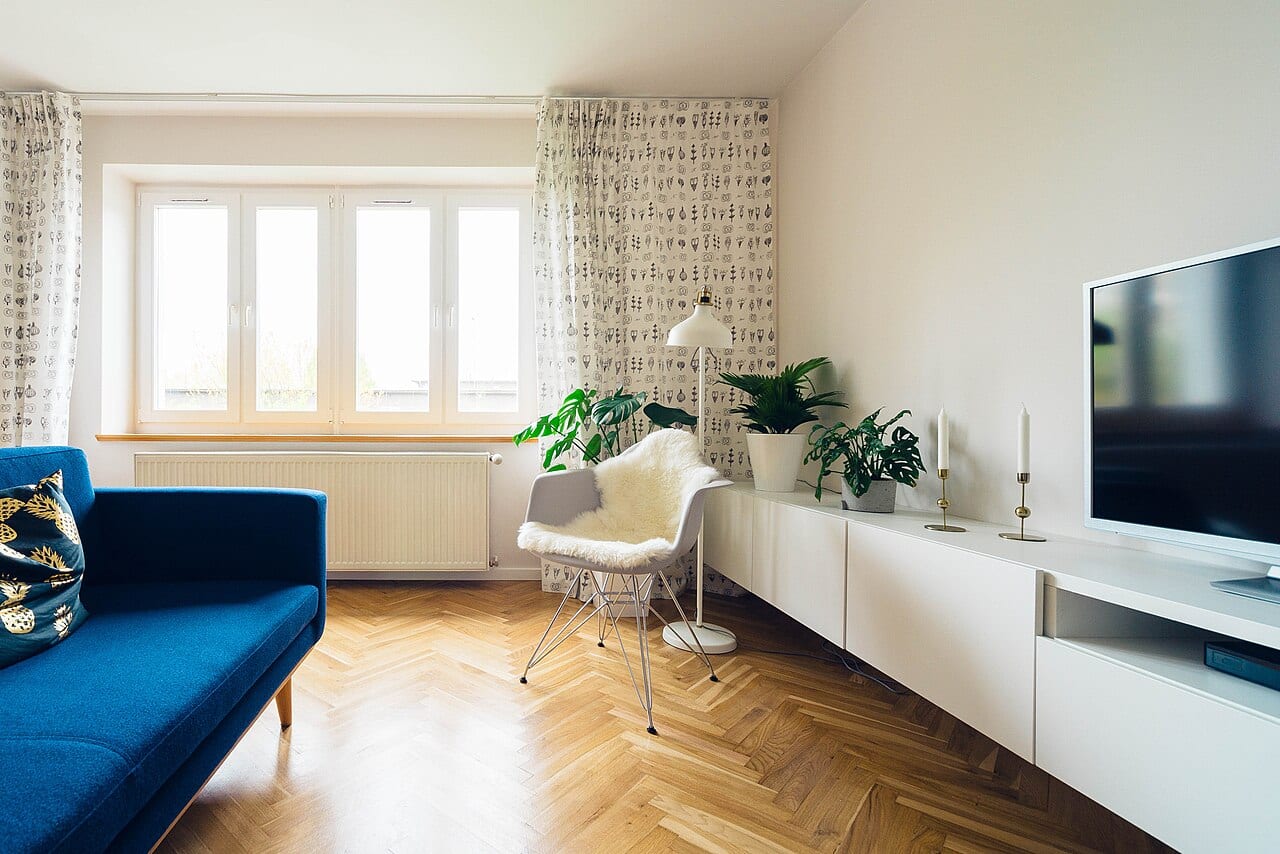
For example, if your living room features a large east-facing window that fills the space with sunrise glow, choose a two-by-two-foot square on a wall that receives that direct light. You face a tradeoff here: a larger sample provides more visual data but requires more effort to apply and clean up. However, the clarity gained from a larger area can help you see how the color spreads across a surface.
Track your observations
When applying samples, keep the specific details organized. Write the brand and the exact name of the color on a note and attach it to the edge of the painted square. This ensures you do not confuse similar shades once they have dried. To capture the nuances of the color, observe the samples at different times of the day. A color that appears crisp in the morning may look different once the sun sets and you switch on your lamps.
Observe how the color reacts to your various light sources, including natural daylight and artificial overhead lighting. If a color looks different under your evening lamps than it did at noon, note that change. Comparing these observations against your existing furniture and decor will help you determine if the shade complements your current surroundings.
Consult the professional
Once you have spent time with your samples, you can approach a paint specialist or contractor with your findings. Rather than asking for a general recommendation, use your specific observations to guide the conversation. You might ask:
- How will the finish I am considering affect the way this color reflects light in my specific room?
- Can you confirm if the color I tested will remain consistent if I purchase a larger quantity?
- What is the recommended process for preparing my specific wall surface to ensure the color applies evenly?
- Based on the sample I liked, what is the cost difference for a larger container?
Finalize your selection
The final decision rests on whether your observations align with your expectations. If a sample looks perfect in the morning but feels uninviting in the evening, you may want to test a different shade or a different finish before purchasing full cans. If the color holds up well across all your lighting tests, you can move forward with your project. By prioritizing your own visual evidence over a store swatch, you can ensure the final result is one you are prepared to live with.