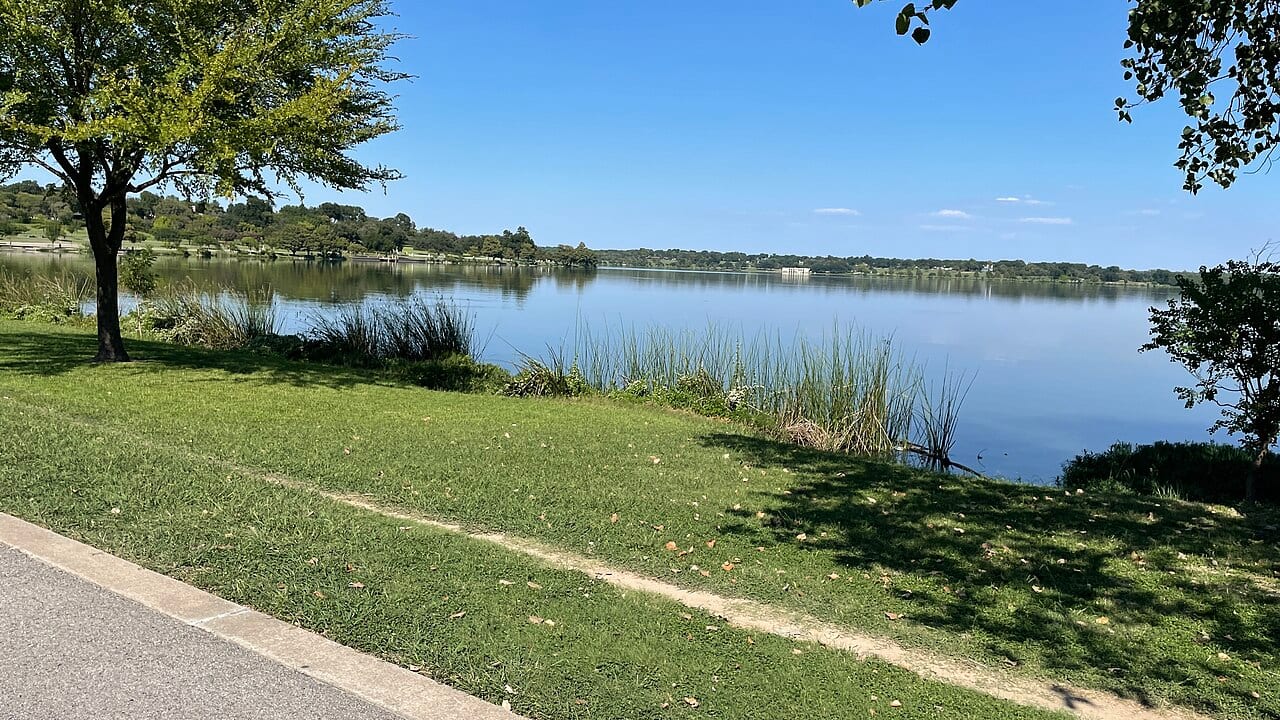
The impulse to fill a Saturday with a dozen different stops—a breakfast spot here, a boutique there, a scenic overlook elsewhere—often turns a planned getaway into a frantic race against the clock. For the solo traveler, this density of scheduling can feel less like a vacation and more like a second job. The most effective way to reclaim your time is to select a single, meaningful destination and let everything else remain fluid.
The Power of a Single Anchor
Choosing one main reason to leave the house provides a sense of purpose without the pressure of a rigid timeline. This anchor could be a specific trail, a particular museum exhibit, or a quiet stretch of shoreline. When you commit to one central activity, you eliminate the mental fatigue of constant decision-making. You are no longer asking, "What is next on the list?" instead, you are simply present in the moment you chose to pursue.
For example, if you decide your day trip is centered entirely around visiting a specific botanical garden, your entire itinerary revolves around that single gate. If you arrive and find the gardens are particularly quiet, you might spend three hours wandering the shaded paths. If the weather turns, you can move to a nearby cafe and read for an hour without feeling like you have "failed" your schedule. The tradeoff is a perceived lack of productivity in exchange for a genuine sense of ease.
Verifying the Essentials
Because a solo trip relies on the success of that one main activity, the details matter. Relying on outdated digital information can derail an afternoon before it begins. Before you depart, check the provider’s current status directly. Does the site require a specific reservation for solo visitors? Are there any unexpected closures or seasonal shifts in access? Confirming these details ahead of time ensures that your primary reason for going remains intact once you arrive.
Designing Your Own Pace
The freedom of traveling alone is the ability to move at a speed that suits your mood. You might find that you want to linger over a view for forty minutes, or you might decide that you have seen enough and want to head home early. Without a companion to consult or a group to keep up with, your internal rhythm becomes the only guide. This flexibility allows you to lean into the experience rather than rushing through it to meet a social expectation.
To make the most of this approach, ask yourself what specific feeling you want to achieve by leaving the city. If the goal is quietude, choose a destination known for its stillness. If the goal is discovery, choose a place with depth. Once you have identified that core intention, verify the logistics, set your anchor, and allow the rest of the day to unfold as it will.