This is a paid partner contribution. Commercial relationships are disclosed so readers can distinguish sponsored content from editorial guides.
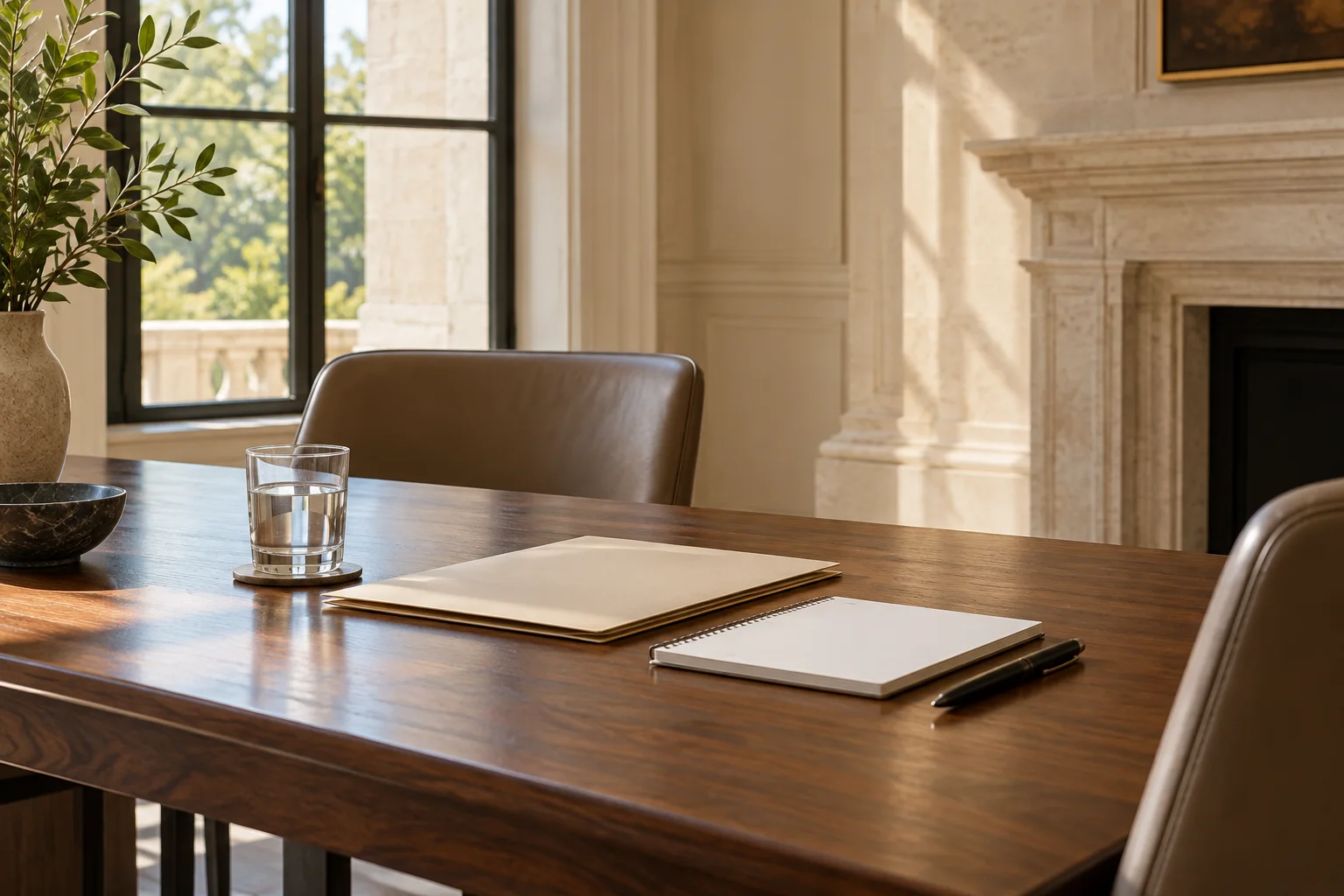
A folder of organized papers and a list of specific questions can change the way you approach a professional consultation. When you sit down to discuss your circumstances, having your history ready allows you to focus on the details of your specific situation rather than searching for dates or names.
The value of a personal timeline
One way to prepare is to create a written chronology of the events relevant to your needs. This does not need to be a formal legal document, but rather a clear account of what has happened and when. For example, if you are looking into different visa options, a timeline might include when you entered the country, any changes in your employment status, or when specific life events occurred. Having these dates written down helps prevent confusion during the discussion.
Consider the tradeoff between providing a brief summary and providing exhaustive detail. A summary gives a quick overview, while a detailed account provides the specific context a professional might need to understand your path. You might decide to keep a short summary for the initial conversation and a more comprehensive file ready if they ask for deeper specifics.
Organizing your records
Gathering your existing documents into one place is another way to prepare. This could include identity papers, correspondence, or records related to your current status. If you are researching business-related options, such as how much investment an E-2 visa needs, having your financial statements and business plans organized will allow you to ask more precise questions about your specific numbers.
When reviewing your files, look for gaps in your documentation. If you realize a document is missing, you can spend time locating it or noting its absence before your meeting begins. This ensures that the time you spend in a consultation is used for addressing your concerns rather than troubleshooting missing paperwork.
Formulating your questions
Writing down your questions in advance prevents important thoughts from being forgotten in the moment. Instead of asking broad questions, try to frame them around your specific circumstances. If you are seeking an U visa attorney Dallas, you might prepare questions about what specific documents they will require from you to begin their review.
Ask the professional how they prefer to receive your documentation. You may also want to ask how they communicate updates and what the next steps in their specific process look like. If you are comparing different professionals, you might ask how they handle questions that arise after the initial meeting has ended.
Moving forward with clarity
The goal of preparation is to ensure you leave your meeting with a clear understanding of your own situation. By organizing your timeline, gathering your records, and writing your questions, you turn a vague concern into a structured discussion. Once you have completed your preparation, you can approach your appointment with the confidence that you have provided the necessary context to receive a thorough response.